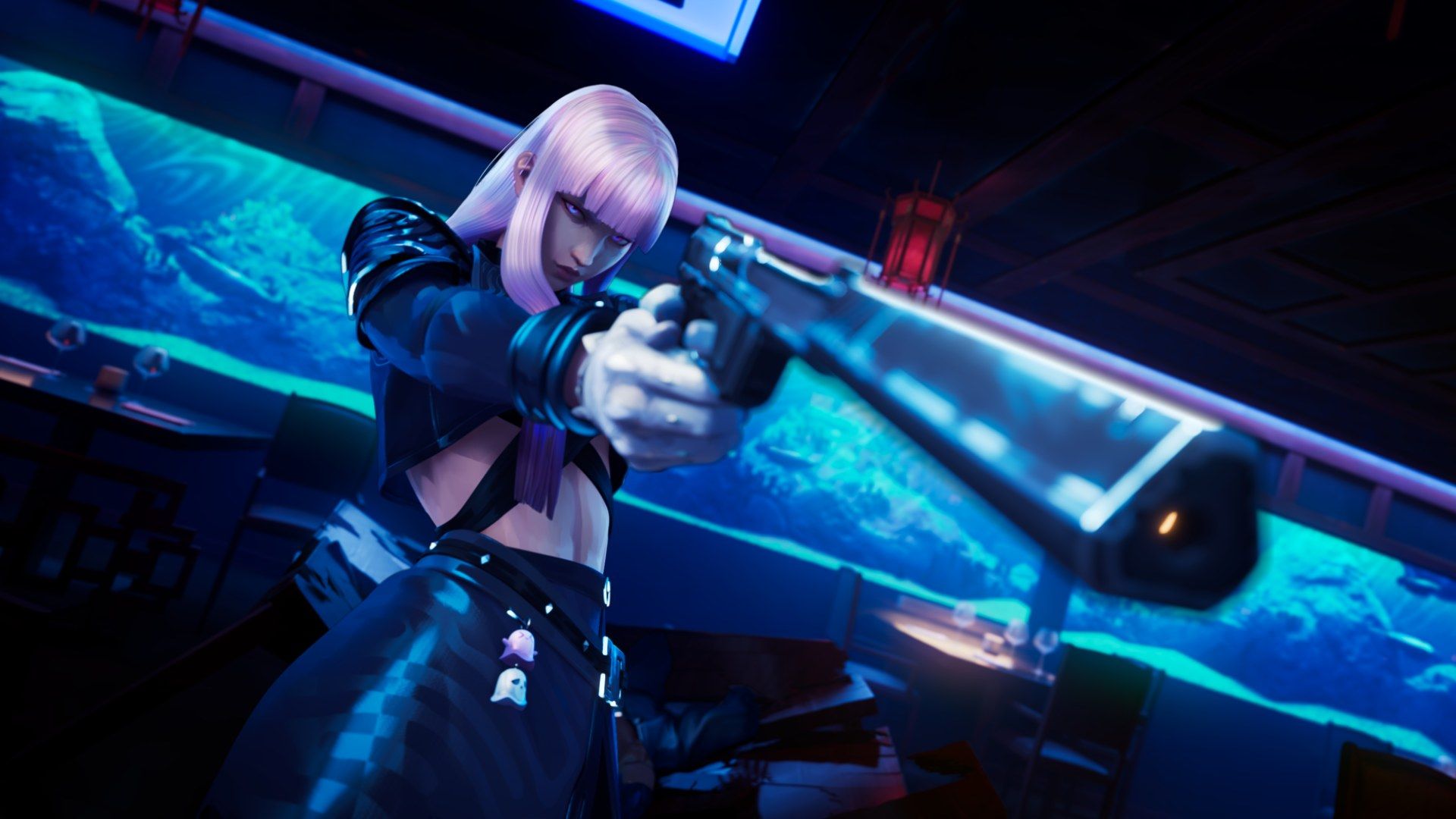
Riot Games unveiled Hush, a new Duelist agent built around midair utility redirection, during the VALORANT Champions Shanghai 2026 grand final on October 18. Hush launches October 27 as part of Season 2026 Act VI and is the first agent released under the game’s new Agent Mastery progression system.
The reveal came at the conclusion of the event’s championship match, continuing Riot’s pattern of using its biggest stages for agent announcements. Hush is a telekinetic Duelist from China whose entire kit revolves around a single design pillar: thrown abilities are not final commitments. Players can redirect them in flight.
The Kit
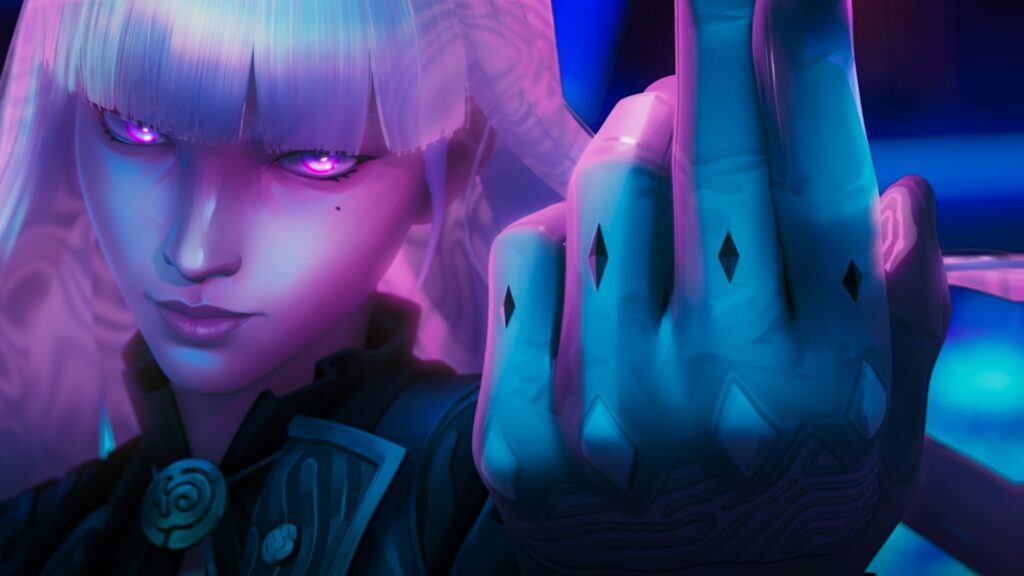
Hush’s passive, Telekinesis, extends her interaction range, letting her pick up weapons, the Spike, and operate switches from a greater distance than other agents. It is a quiet utility that rewards positioning awareness without demanding an ability slot.
Her Q, Flashbulb, is a flash that can be redirected after it leaves her hand. It detonates on contact with any surface or after a short delay, blinding all players looking toward it. The redirect mechanic means a Flashbulb thrown toward one angle can be snapped to another mid-flight, making pre-aiming against it significantly harder.
Her C, Displacement, is a pull effect that drags enemies toward its detonation point. Like Flashbulb, it can be redirected in the air. A Displacement thrown into open space can be repositioned to catch a rotating defender or pull a lurking flanker into the line of fire. The ability turns corner-holding into a guessing game because the pull’s final position is not locked until it detonates.
Her E, Flow, is a mobility anchor. Riot’s developers described it as telekinetic control turned inward, letting Hush manipulate her own movement. The fact sheet describes it as an aerial repositioning tool, though full movement details have not yet been published.
Her ultimate, Suspension, is prepared instantly. The player fires it forward and steers it with their crosshair. A second press detonates it, levitating all players caught in its area of effect. The levitation sets up follow-up damage for teammates, functioning as a team-fight utility rather than a solo kill tool.
The Redirect Mechanic
The common thread across Hush’s kit is the REACTIVATE input. After throwing Flashbulb or Displacement, pressing the ability key again lets the player redirect the projectile. This is not a simple curve or bounce; it is a full directional change controlled by the player’s crosshair in real time.
Riot Games developers said the design goal was to make utility manipulation, not raw power, the core fantasy. “We kept coming back to the idea that Hush shouldn’t just throw utility, she should be able to manipulate it,” the team stated. “That led us to abilities like Displacement and Flashbulb, where you can redirect them in midair, as well as Flow, which turns that same telekinetic control inward and lets Hush manipulate her own movement.”
In practice, this changes how opponents must respond to Hush’s ability usage. In the current meta, seeing a flash or a pull committed to a specific angle tells defenders exactly where the threat is coming from. With Hush, that information is provisional. A Flashbulb thrown at a common peek spot can be redirected to a different angle in the fraction of a second before it detonates, punishing players who pre-aim based on the initial throw direction.
“We’re really excited to see what players do once they get comfortable redirecting her utility,” Riot’s developers said. “We have the uses we designed and tested for, but Valorant players are very good at finding angles and interactions we never expected.”
That last line will sound familiar to anyone who has watched a new agent launch. The community has a reliable track record of finding exploits and interactions that internal testing misses, and a mechanic as open-ended as midair redirection is likely to produce some of those moments early.
Agent Mastery Debut
Hush is the first agent to ship with the Agent Mastery system, the agent-specific progression track that Riot has been building toward across recent patches. The system ties cosmetic and gameplay-adjacent rewards to playing a specific agent rather than funneling everything through the general battle pass. Riot first outlined the framework during its Patch 13.06 AMA, and Hush serves as its live debut.
Specific reward track contents have not been detailed in the reveal materials. Players interested in the full list will need to wait for the Act VI patch notes or the in-game store page.
What This Means for Ranked
Hush fills a role that Valorant’s Duelist roster has not had: a fragger whose entry value comes from utility manipulation rather than movement speed or raw area denial. Jett dashes, Raze satchels, and Neon slides all give their users speed-based entry tools. Hush’s entry tool is information denial. Her flashes and pulls arrive from angles the defender did not expect, which opens space for the team without requiring the Duelist herself to be the first body through the door.
For players queuing ranked on October 27, the immediate adjustment is defensive. If Hush appears in your lobby, pre-aiming based on her initial throw direction is a losing habit. The redirect window is short but real, and players who hold wide angles or rotate reactively will fare better than those who commit to a single crosshair placement.
Offensively, Hush rewards players who are comfortable with real-time decision-making under pressure. The redirect mechanic demands that you track the projectile, assess the situation, and input a new direction within a tight window. That is a higher mechanical floor than simply throwing a flash and swinging. Expect a learning curve in the first week, and expect some very creative uses to surface on stream before Riot’s balance team gets a look at the data.