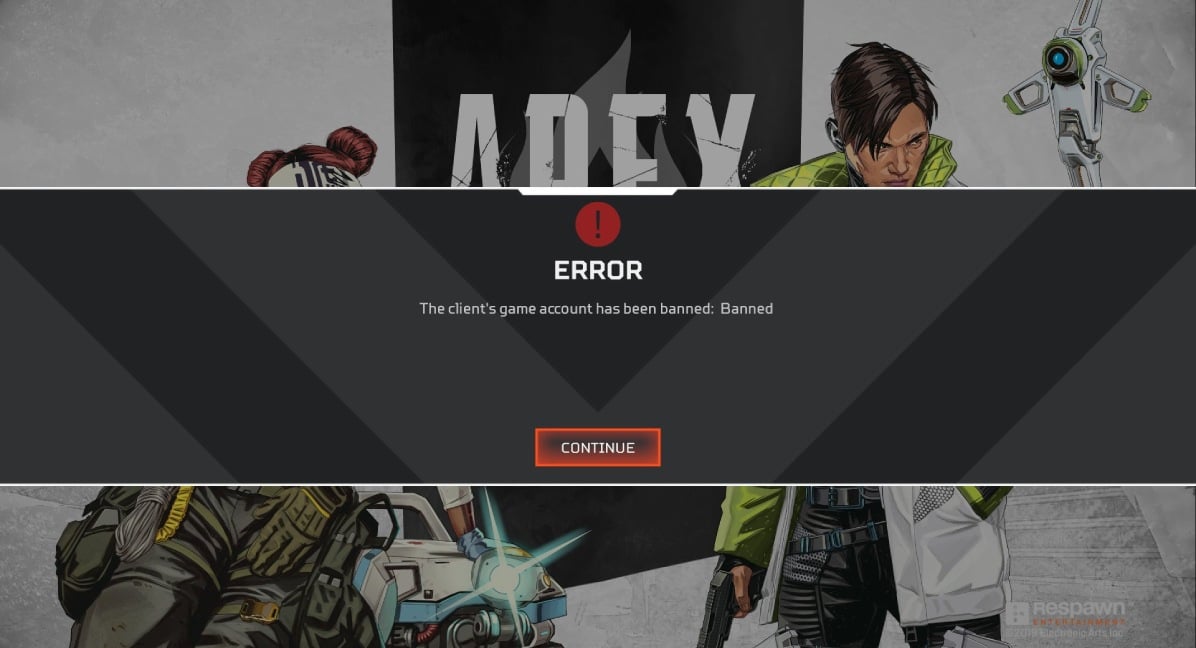
Respawn Entertainment’s anti-cheat team confirmed that a detection update deployed on November 18, 2026, inadvertently caused approximately 1,000 players to be incorrectly banned in Apex Legends. The studio said it quickly identified the issue, disabled the affected detection, and reversed all associated bans. The disclosure came in a post titled “An Update from the Anti-Cheat Team” published November 19 on the game’s official Steam community page.
What went wrong with the November 18 detection
The faulty detection went live on November 18 and began flagging legitimate players. Respawn said it “quickly identified the issue, disabled the affected detection, and have since reversed all bans.” The language matters: the detection was disabled, not patched. Respawn did not say whether a corrected version of that detection will be redeployed, nor did the post identify which specific anti-cheat component was responsible, which platforms were affected, or what technical failure caused legitimate accounts to trigger the flag.
The incident lands in an uncomfortable window. EA Javelin Anticheat replaced Easy Anti-Cheat on PC on September 29, 2026, meaning the false-ban event occurred less than two months into the new system’s life. When EA announced Javelin, it claimed “over 99% accuracy” for the platform. A thousand incorrect bans in a single deployment does not outright disprove that figure, but it does put a concrete number on what the remaining fraction looks like in practice.
Respawn’s post also confirmed that enhanced controller cheating detection tools have been deployed across all platforms. The studio did not elaborate on what those tools do differently from previous detection methods or whether they contributed to the November 18 false positives.
A separate hardware-ban bug remains unresolved
Beyond the mass false bans, Respawn disclosed a second problem in the same post: a bug in the hardware ban system that “incorrectly flagged certain devices.” This bug surfaced when the anti-cheat team attempted to remove hardware bans from accounts that had been previously compromised by cheaters. In other words, players whose accounts were hijacked and used for cheating—and who legitimately deserved to have their hardware bans lifted—found themselves stuck because the system misidentified their devices.
Respawn said the bug has been fixed and that the team is “actively unbanning impacted accounts.” No count was given for how many players are affected by this second issue, and no timeline was provided for when all of them will be restored. That lack of specifics is the kind of detail ranked players tend to notice when their account is the one in limbo.
What Respawn did not address
The November 19 post is notable for what it leaves out. There is no mention of compensation, rank protection, or restored progress for the approximately 1,000 players who lost access to the game. For players in the middle of a ranked split, a ban—even a temporary one—can mean missed placement matches, decayed rank, or lost progress toward seasonal rewards. Respawn has not indicated whether any of that will be made whole.
The post also does not address unconfirmed community reports that an official Apex Legends Global Series commentator was caught up in the bans, nor does it respond to player claims that NVIDIA capture software may have triggered false positives. Respawn has not confirmed or denied either scenario. Until it does, both remain unverified.
This is not the first time Respawn’s anti-cheat enforcement has drawn scrutiny this year. The studio previously banned 905 accounts tied to a Ranked Rookie IV exploit, a wave that was broadly considered justified. The November 18 event is different in kind: those bans targeted legitimate players through no fault of their own, and the reversal came only after the damage was already done.
What this means for players
If you were banned on or around November 18 and believe it was caused by the faulty detection, you should already be unbanned. Respawn reversed all bans from that specific detection, so no appeal is necessary. Log in and confirm your account is accessible.
If you had a hardware ban removed in the past because your account was compromised by a cheater, and you are still locked out, you may be caught in the second bug. Respawn says it is working through those accounts but has not given a timeline. Filing a support ticket through EA Help is the only available recourse right now, though response times are unpredictable.
For everyone else, the practical takeaway is this: the detection that caused the false bans has been disabled, not fixed. There is no public indication of when—or whether—a corrected version will return. If you use capture cards or recording software and have been nervous about false positives, Respawn has not confirmed that any specific software triggered the November 18 flags, so there is no confirmed action to take on that front.
The broader concern for the competitive community is trust in the system. Javelin is barely two months old on PC, and its first major public stumble hit 1,000 players at once. Respawn’s response was fast—the detection was disabled and bans reversed within a day—but the absence of a technical explanation, a compensation plan, or a timeline for the remaining hardware-ban restorations leaves the community with more questions than answers.