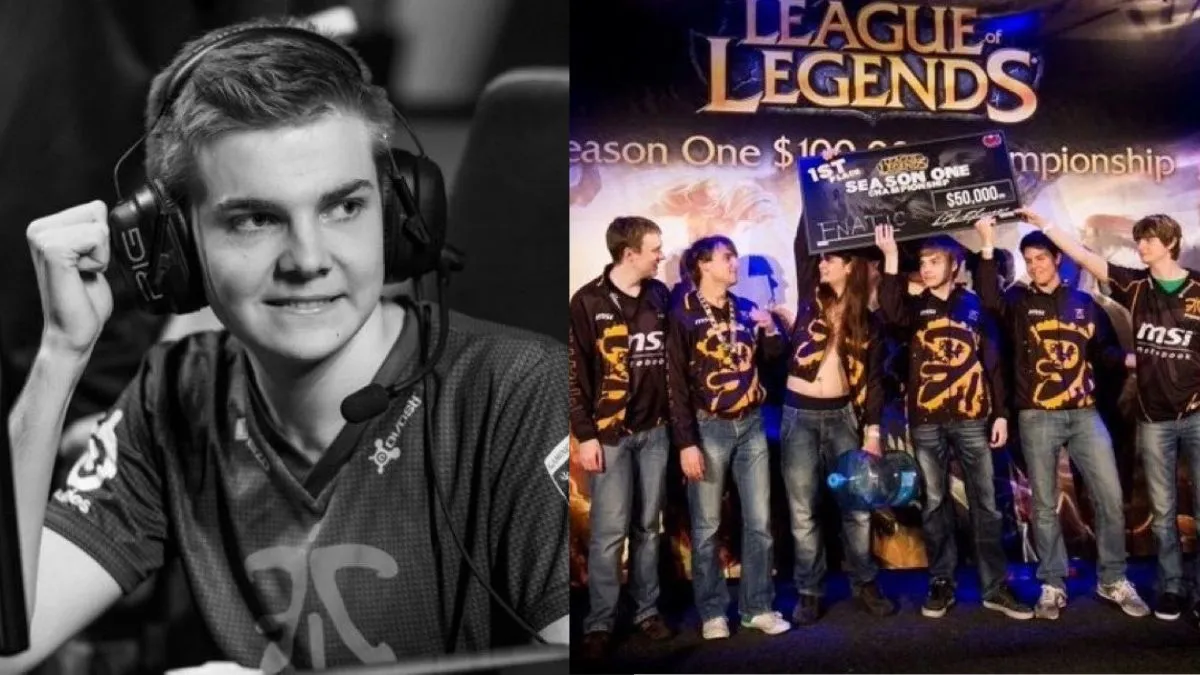
Lauri “Cyanide” Happonen, the Finnish jungler who won the inaugural League of Legends World Championship with Fnatic in 2011 at the age of 16, passed away on July 31, 2026. He was 31. The news became public on October 26, when Finnish newspaper Ilta-Sanomat confirmed his death through the country’s population registry. The cause of death has not been disclosed.
The youngest world champion
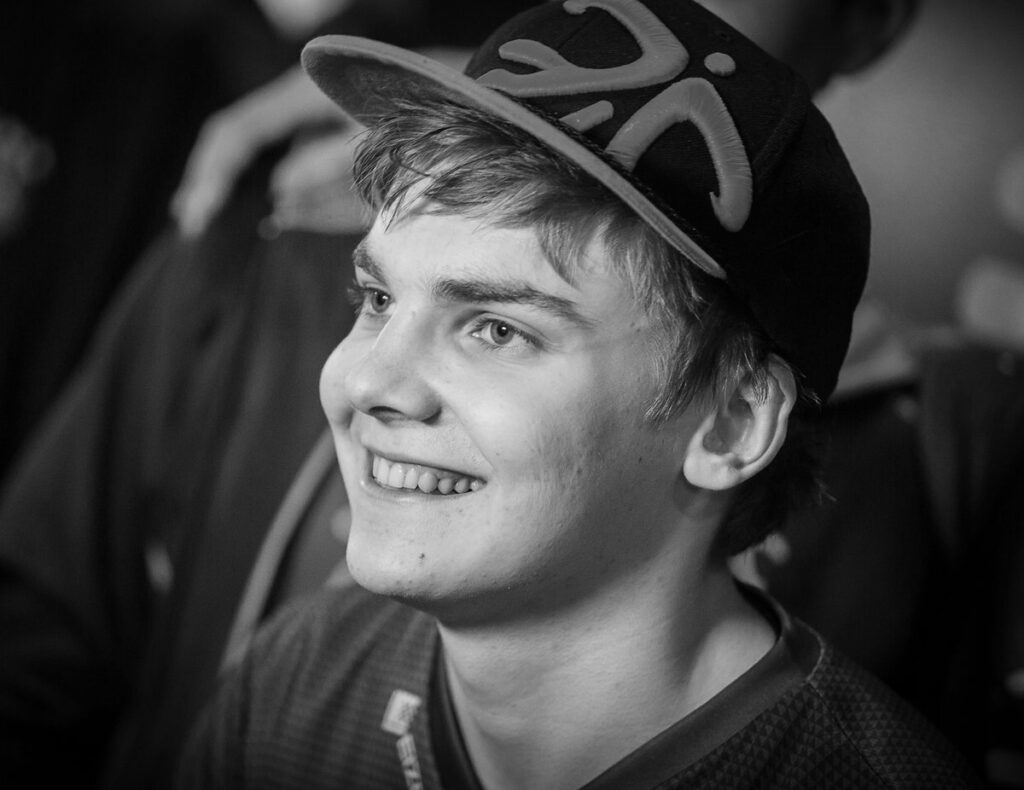
Cyanide was part of Fnatic’s roster at the Season 1 World Championship, held in June 2011 at DreamHack Summer in Jönköping, Sweden. He was 16 years old at the time, making him the youngest player to win a League of Legends World Championship—a record that still stands. The tournament featured eight teams and a prize pool of $100,000, modest by today’s standards but foundational for everything that followed.
That Fnatic lineup—Cyanide in the jungle alongside Shushei, xPeke, LaMiaZeaLoT, and Mellisan—became the game’s first world champions and, for a generation of European players, the reference point for what competitive League of Legends could be. Cyanide’s role as jungler in that era looked nothing like the position today; the meta was unformed, pathing was improvised, and the idea of a dedicated jungle role was still new enough that not every team ran one consistently. He played it anyway, and won.
After Season 1, Cyanide continued competing professionally, though his later career did not reach the same peak. He remained associated with the Fnatic organisation and with the broader European scene for several years before stepping away from active competition. Like many players from that earliest era, his post-competitive life was largely private.
Confirmation and response
Nearly three months passed between Cyanide’s death and public confirmation. Ilta-Sanomat, one of Finland’s largest-circulation newspapers, verified the death through the Finnish population registry—a public record system that tracks births, deaths, and residence. The outlet’s confirmation on October 26 was the first widely reported account of his passing.
The delay between the date of death and the date of public knowledge is notable but not unusual in cases where no public announcement is made by family or close associates. No official statement from Cyanide’s family has been published, and the cause of death remains undisclosed.
Fnatic acknowledged his passing in a tribute. Riot Games also paid tribute, recognising his place in the game’s history as a Season 1 champion. No further details about memorial plans or public commemorations have been announced as of this writing.
A link to the beginning
League of Legends is now in its sixteenth year of competitive play. The game’s esports ecosystem has grown into a global structure with franchised leagues, multi-million-dollar prize pools, and broadcast audiences that dwarf what existed in 2011. But the people who were there at the start—who played when the ranked ladder was a novelty, when “meta” meant whatever worked in a scrappy best-of-one at a LAN in Sweden—are fewer every year.
Cyanide was one of those people. Not a household name in the way that Faker or Caps became household names, but a player whose existence connected the current scene to its origin point in a direct, personal way. He was 16 when he lifted that first trophy. He was 31 when he died. The game kept growing around him, as it does around everyone who played it early and then moved on with their lives.
What this means for the community
For players who followed the scene from its earliest days, Cyanide’s death is a reminder that the history of competitive League of Legends is not just a list of patch notes and tournament brackets. It is made up of people who were teenagers when they started, who grew up, and whose stories do not always end in ways the community is prepared for.
For newer players who may not know the name: Season 1 Worlds was the first time Riot Games ran a world championship for League of Legends. It was small, it was messy, and it set the template for everything that came after. Cyanide was the jungler on the team that won it. That fact is now part of the game’s permanent record, and it is worth knowing.
If you or someone you know is struggling, resources are available. In Finland, MIELI Mental Health Finland operates a crisis helpline. In other regions, local crisis services can be found through national health authorities.